Table Of Content
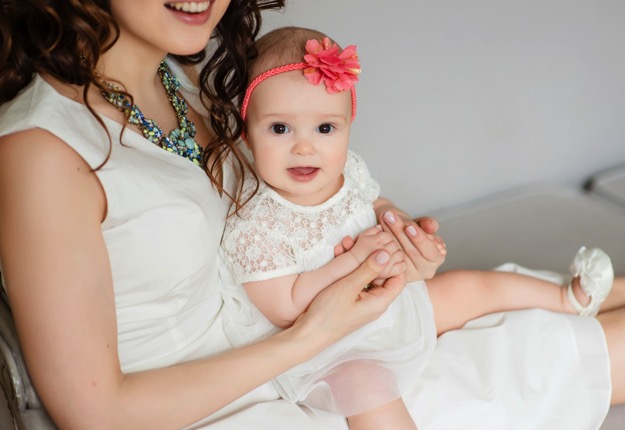
Even a gentle washing and the light friction of your hands against their scalp can accelerate the hair loss. The rate at which new hair growth forms is individual to every child, but typically, baby hair begins to grow back between 6 and 12 months after the loss of newborn hair. Mitzner says that sometimes, when trying to treat the cradle cap and remove the crust patches, the child can lose hair. Telogen is the part of the normal hair growth cycle when hairs stop growing and rest. Normally, only 10 to 15 percent of hair follicles are in this phase at any one time. "During pregnancy, there were many good, healthy hormones traveling to your baby," says Dr. Ball.
Why does my baby have a bald spot?
Again, as the newborn hair is replaced by new strands, that bald spot will get filled in. Truth be told, though, babies are scrumptiously cute whether their heads look more like Charlie Brown or Rapunzel—so enjoy these changing hairstyles while they're still little. While there is no cure for alopecia areata, treatment can control the disease in some children.

Friction from Sleeping
Much online advice suggests massaging the scalp using oils, but this is a myth and a dangerous one too. Don’t get too attached to those strands though because they may very likely fall out within the first six months. And of course when they're 15, they will want to dye it green and purple and shave it into a faux hawk.
What’s Causing My Child’s Hair to Fall Out and How Do I Treat It?
However full or sparse your newborn's hair is, you might notice it falling out or getting thinner in the weeks after you bring them home. This shedding may come as a surprise (and even a bummer if you'd begun to envision fun hairstyles). Have dreams of styling a gorgeous, sweet-smelling head of baby hair?
It’s perfectly normal for your baby to lose the hair they had when they came out into the world — be it a little or a lot — several weeks or months after birth. In fact, most infants will go through a stage of hair loss. Thanks to the umbilical cord, the same hormones that were pulsing through your body during pregnancy and giving you that supermodel head of hair were pulsing through your baby’s, too. But after birth, those hormones drop, triggering hair loss in your baby — and even yourself. If you notice that your baby has bald patches, observe the way they sit and sleep.
Why Do Newborn Babies Startle? The Moro Reflex
You might not be surprised, as you get older, to notice that your hair is starting to fall out. Yet seeing your young child’s hair fall out could come as a real shock. There are multiple ways to keep your baby's hair looking great even if it's sparse. A gentle bath can be a soothing way to signal to your baby that it's getting near bedtime, but you don't always need to shampoo. Wash your infant's hair just a few times a week with a shampoo formulated for infants and you may be able to slow down shedding a bit.
When Does Baby Hair Loss Occur?
Baby Hair or Breakage: How to Tell the Difference - Allure
Baby Hair or Breakage: How to Tell the Difference.
Posted: Wed, 22 Apr 2020 07:00:00 GMT [source]
The lanugo will gradually fade and shed in those first few weeks and months, and more subtle vellus hair will grow in its place. "Labor puts a good kind of stress on a baby," Timberline said. The stress triggers cortisol production, which channels energy toward the developmental changes crucial for survival — and away from nonessential functions such as hair growth.
Pregnancy Ruined My Hair—And a Year Later I'm Still Pissed - Self
Pregnancy Ruined My Hair—And a Year Later I'm Still Pissed.
Posted: Mon, 27 Mar 2017 07:00:00 GMT [source]
However, once the stressful event is over, full hair growth usually returns within six months to a year. Hair loss in children is responsible for an estimated 3% of pediatric office visits in the U.S. Whether your child has thinning hair or distinct bald spots, the loss of hair can be frightening. The good news is that, with a proper diagnosis, most cases of hair loss can be treated successfully. "If your baby sits or lays with their head in one direction, try to change the direction so not all the pressure is on one area," Dr. Ball suggests. "Introducing tummy time a few times a day will help limit friction hair loss."
Experts categorize it as a form of obsessive-compulsive disorder. Just don’t forget to snip a bit for the baby book — you’ll want to remember that all-important first haircut milestone. That said, for safety reasons, Benjamin suggests getting baby’s first haircut done by a professional. “They may play a greater role in holding or positively distracting the child,” she says.
Using an antifungal shampoo along with oral medication will prevent your child from spreading the virus to other kids. While it may be tempting to style that massive newborn mane in all sorts of fun ways, try to avoid being too aggressive with elastics and clips. Stick to soft headbands that won’t pull too tight or cause discomfort. Either way, there are several reasons why this hair loss happens. It may occur, simply, as a result of friction from lying on surfaces for long periods of time. It traps vernix (that white, cakey substance which protects a baby’s delicate skin) in place, helps with temperature regulation, and even helps to regulate hormones in utero.
“Baby scalp care is often overlooked, and not frequently discussed in the doctor’s office,” says Benjamin. Listen to your instincts and know that baby’s luscious locks will likely grow in soon. Common skin issues like cradle cap can also play a role in newborn hair loss, says Phillips-Walker, as can friction from sleeping on their backs (which is the safest way for babies to sleep). Regardless of why it’s happening, newborn hair loss isn’t usually a cause for concern. However, if you see patchy, bald spots with red, flaky scales; smooth bald patches or other skin rashes on baby’s scalp, let your pediatrician know.
It may cause hair loss and often a red, scaly, ring-like rash is seen on the scalp. Most mild cases of cradle cap resolve on their own in a few weeks, though it can persist for as long as a few months (and still be totally normal and harmless). And while every baby is different in how fast hair regrows, rest assured that yours should be tress blessed by their first birthday. Enjoy every day with your baby and celebrate the magic of those first few months without letting the hair dilemma affect how you feel.


No comments:
Post a Comment