Table Of Content

The American Academy of Pediatrics recommends bathing your little bundle of joy no more than a couple times a week. All babies will have their hair in eventually, and before you know it you’ll be bribing them to let you brush their hair or planning a first haircut. Every little peanut is unique—and the time when their permanent hair appears is just one more reminder of that. Losing their early tresses—whether completely or in patches—is just part of the adjustment their little bodies make as they begin life out in the big wide world, unattached to mama.
What’s the deal with newborn hair?
Both mother and baby undergo huge hormonal shifts during labor, which is necessary for a successful birth. The onset of labor alerts a baby's body to start producing hormones that are crucial for life outside the womb. Some hormones help the baby's arteries and veins develop, ensuring that the organs receive ample blood during labor and after the umbilical cord is cut, Timberline told Live Science. Backed by scientific research, Cradle Cap Cream was developed with healthcare professionals and is proven to be safe for use from birth on, meaning it’s okay to use on your newborn’s cradle cap.
Protecting Your Baby's Skin In The Winter
This type of hair loss is perfectly normal and nothing to worry about. And now that you’ve read about baby hair loss, hair color, how to wash your baby’s hair (or scalp), and what to do about cradle cap, you’re ready to tackle this aspect of caring for a tiny human. There is a huge range of ‘normal’ when it comes to baby hair. Some babies are born with a full head of hair and then lose much of it in the first six months (though some never do).
When Does Baby Hair Grow Back After Falling Out?
Luckily, the exogen phase is usually followed rather quickly (or even simultaneously) by new hair growth. But the baby hair that grows in may be nothing like your little one’s newborn locks. Some experts link it to plummeting pregnancy hormones — the ones that may have given you great hair too!
Remember how much your hormones affected your appearance when you were a teenager? Your little one is developing and balancing their own hormones, which can cause their hair to change. According to the doctors at Children’s National in Washington, D.C., ringworm doesn’t usually infect children under age 2. But it’s highly contagious, so if one person in the household has it, it’s possible to spread it via things like shared hats and hairbrushes.
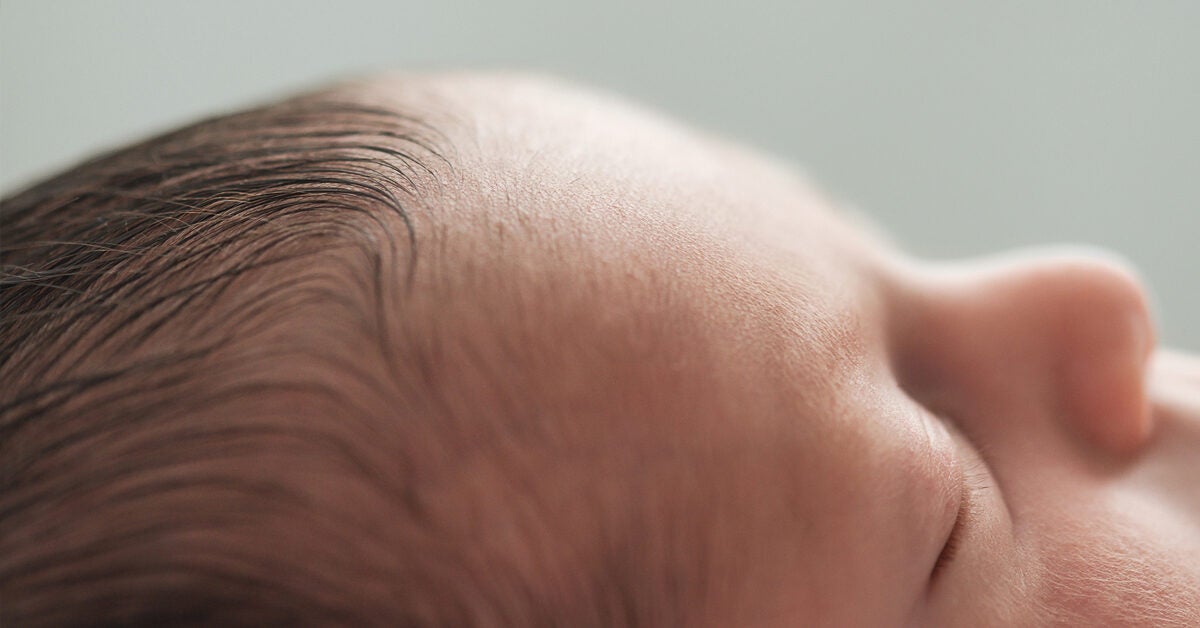
Hair Care Tips for Babies
Baby baldness can rarely be caused by fungus or it can be an autoimmune condition. Once born, you examine their little face features, toes, and fingers, and not lastly, you’ll notice the hair (or the lack of it). There are a few other reasons why a baby might lose some hair.
Ashley Graham reveals hairline is growing back after postpartum hair loss - The Independent
Ashley Graham reveals hairline is growing back after postpartum hair loss.
Posted: Thu, 04 Aug 2022 07:00:00 GMT [source]
This changes up their body chemistry, resulting in the loss of some or all of their hair. Bad hair days are a fact of life, so if your newbie nugget is born with some unruly strays (or none at all), don’t sweat it. Their hair will change and grow just as quickly as the rest of their little body. The newborn days go fast, so soak it all in and nuzzle that adorable mullet while you can.
In fact, hair loss simply means an infant is making the huge adjustment to life outside the womb. Most of the time, a baby will shed their lanugo while in the womb. Lanugo appears sometime around the 16th week of gestation and ordinarily falls off between weeks 32 and 36. While this is slightly uncommon, it is not a health concern. A second reason why some babies have hair at birth is exposure to a high level of hormones. While all women experience a boost in hormones during pregnancy, some women’s hormone levels are comparatively higher than others.
To help clear up your baby’s scalp, wash their hair only with gentle shampoos. Avoid using anything with chemicals that can dry out their skin even more. In addition, use our Cradle Cap Cream to keep their head moisturized. Even though you can’t prevent hair loss altogether, you can minimize the effects by treating your baby’s scalp and hair gently. Keep in mind that your baby is losing hair as a result of a natural process that’s occurring inside their body, which means that there’s very little you can do to prevent the situation.

Parents are sometimes surprised to discover that when a baby grows a new head of hair it's a completely different color and texture than what he was born with. BabyCenter reader Julie's son Will was born with a full head of thick black hair. "He looked just like Elvis – he even had sideburns," she says. Alopecia areata is an autoimmune condition that is characterized by “round patches of hair loss on the scalp,” although it can occur elsewhere on the body, Agbai says. While the exact reason for this type of hair loss is unknown, it is generally understood that “the immune system mistakenly attacks hair follicles, leading to hair loss,” she adds. Traction alopecia is the result of environmental factors, such as wearing your hair in tight hairstyles, Agbai says.
Finding loose strands of baby hair can send a new parent into a spiral of worry. Explain to your child why the hair loss happened and how you plan to fix the problem. If it’s the result of a treatable disease, explain that their hair will grow back.
If you need help paying for a wig, contact an organization such as Locks of Love or Wigs for Kids for help. Doctors diagnose alopecia areata by examining your child’s scalp. They may remove a few hairs to examine under a microscope. Often, hair loss in children is caused by an infection or other problem with the scalp. Still, losing hair can take a toll on a child’s emotional well-being. Taking care of the way you handle your newborn's hair may also help prevent them from losing a large number of locks all at once.
If the cradle cap expands past the scalp, your doctor may recommend a medicate shampoo. The exact causes of this condition are still not entirely known. The best guess is that the pregnancy hormones are affecting the baby’s oil glands, making their skin secrete more than usual. On the whole, it’s important that you speak with your doctor about any symptoms you’re experiencing. A dermatologist can provide a proper diagnosis, and select a personalized treatment that will help restore health to you hair and scalp.
While this discovery is certainly startling, baby hair loss is actually pretty common. So don't worry just yet — here's what you need to know about losing hair in infancy. Infant hair loss is not only common, it's a normal phase of early physical development. Some babies lose just a little bit of hair while others shed nearly every strand. Your baby may lose hair faster than others, making the shedding more noticeable. There's little cause for concern when it comes to any hair loss within the first 6 months of life.
However, it's common that the mature hair that grows back to replace a child's baby hair looks different than what they were born with. Don't be surprised if your little blondie becomes a brunette, or if their previously straight hair suddenly has a wavy texture. Baby hair loss is common and can largely be chalked up to hormonal shifts. You can't stop your baby's hair from going through its natural shedding process. However, if you observe bald patches on one area of your baby's scalp, you may want to pay attention to how they sleep or lay back against a car seat or stroller. Others have a smattering of strands and many have only peach fuzz.
Once your little one has a full head of hair that’s growing longer with each passing day, you’ll likely start thinking about going for baby’s first haircut. There’s no definitively right or wrong time to make that milestone appointment. “Trust your gut, but definitely [get it done] before hair reaches the length that it’ll get in [baby’s] eyes,” advises Scott. That said, there may be some benefits to waiting until baby’s at least one-year-old.


No comments:
Post a Comment